OWNERSHIP FROM FARM TO FINISH LINE

Don't Blame Me
Racing

Why own only one horse when you can be part of an entire owner-breeder operation—built for year-round action across the whole stable.

Scroll
How We Got Here
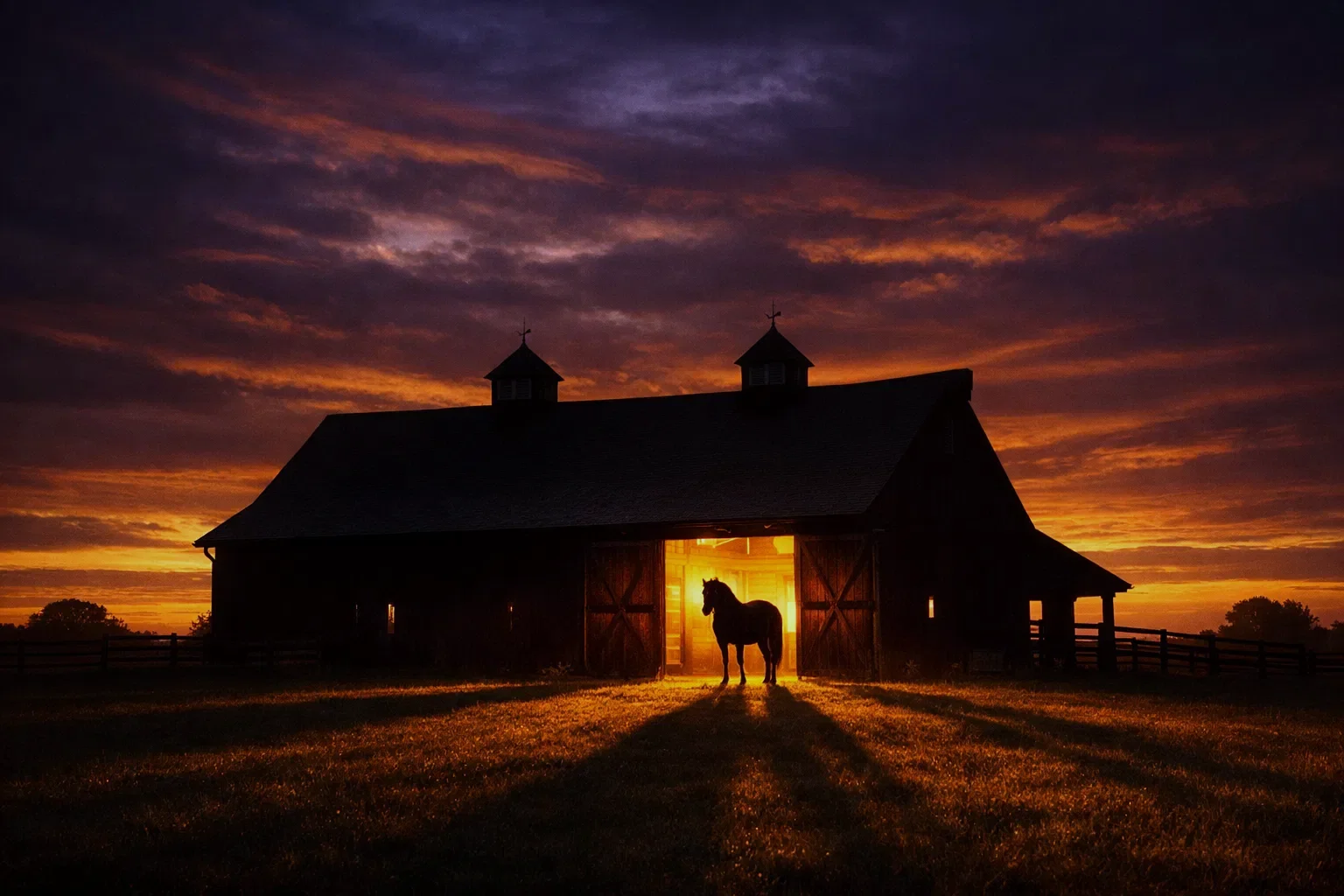
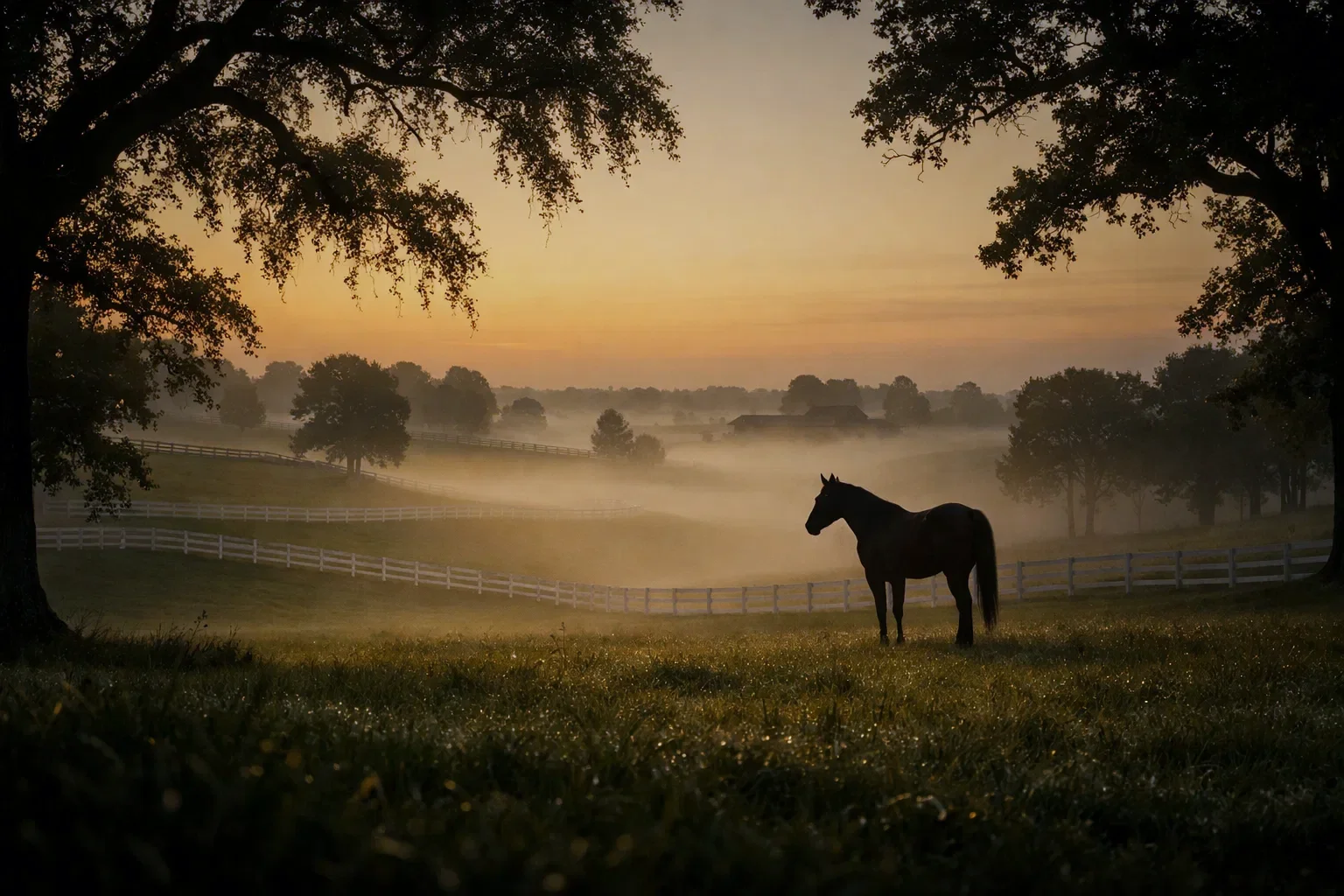
Kentucky horse farm at dawn
"The only way to create that kind of shared experience was to marry the journey — so you're participating in the whole operation, not just isolated moments."

From Entertainment
to Operating

We didn't start in racing trying to change anything. We started the way many of you did — because we loved it. We started where a lot of people start: micro-shares. And honestly — micro-shares did what they promised. They opened the door. They made the sport accessible.

But as micro-shares became more popular, the ownership experience naturally changed. When a horse has thousands of owners, it becomes more "access" than true ownership. And then you learn the rhythm of the sport: it's hurry up and wait.

So we spread out across more horses to create more action. At one point we had shares in over 100 horses. For a while it solved the "waiting" problem — but the more we owned, the less any one of them felt like our horse. They started to become names on a spreadsheet.

That's where syndicates came in — and they solved a lot. You're closer to the barn, the communication is better, and the wins feel more personal. But ownership is still organized horse-by-horse. The buy-ins are bigger, so you can't spread out the same way.

So we kept coming back to the same question: how do you keep the shared journey — wins, losses, learning, access — without being trapped in a one-horse-at-a-time experience?

The moment the idea clicked

Around that same time, I had just sold my business. And when you've spent your career building and scaling companies, you can't help but look at systems and ask, "How does this actually work?" That's just how I'm wired.

So I started looking at horse ownership models the way I'd look at any operating system. Horse-by-horse ownership means each horse has to carry its own costs, its own risk, its own reserves, its own timeline. That's protective. But it also means there's no ability to offset downtime with activity elsewhere, no built-in continuity across the full lifecycle.

That's what led us to build a new model under Don't Blame Me Racing — one designed around the whole journey, not just one horse at a time.
The Operating Model

The Six Operating
Pillars

We don't view Thoroughbred ownership as one thing. We view it as a lifecycle, and each stage is a lever. The order matters, because this is how the industry actually works: breeding, raising, selling, racing, claiming, and retiring.

Kentucky horse farm at dawn
I
Building the Pipeline

Breeding

Breeding is where this becomes a program instead of a series of one-off decisions. A mare isn't a one-time bet — she's a multi-year pipeline.

The first year is the biggest commitment because you're making the foundational call: the mare, the stallion, the plan. After that, assuming she stays sound and viable, she can produce for years. And every foal creates a new decision point: do we raise to race, do we sell, do we retain, do we reinvest?

People say "the money is in the breeding," and there's truth in that — but the real advantage is optionality. The goal isn't to be transactional. The goal is to be strategic at every step and let the market work for the program when the right opportunity shows up.

This is also where the farm becomes part of the operating edge. Having a true home base for broodmares and young stock lowers friction, lowers overhead, and makes it easier to stay patient — because patience is an edge in this business.

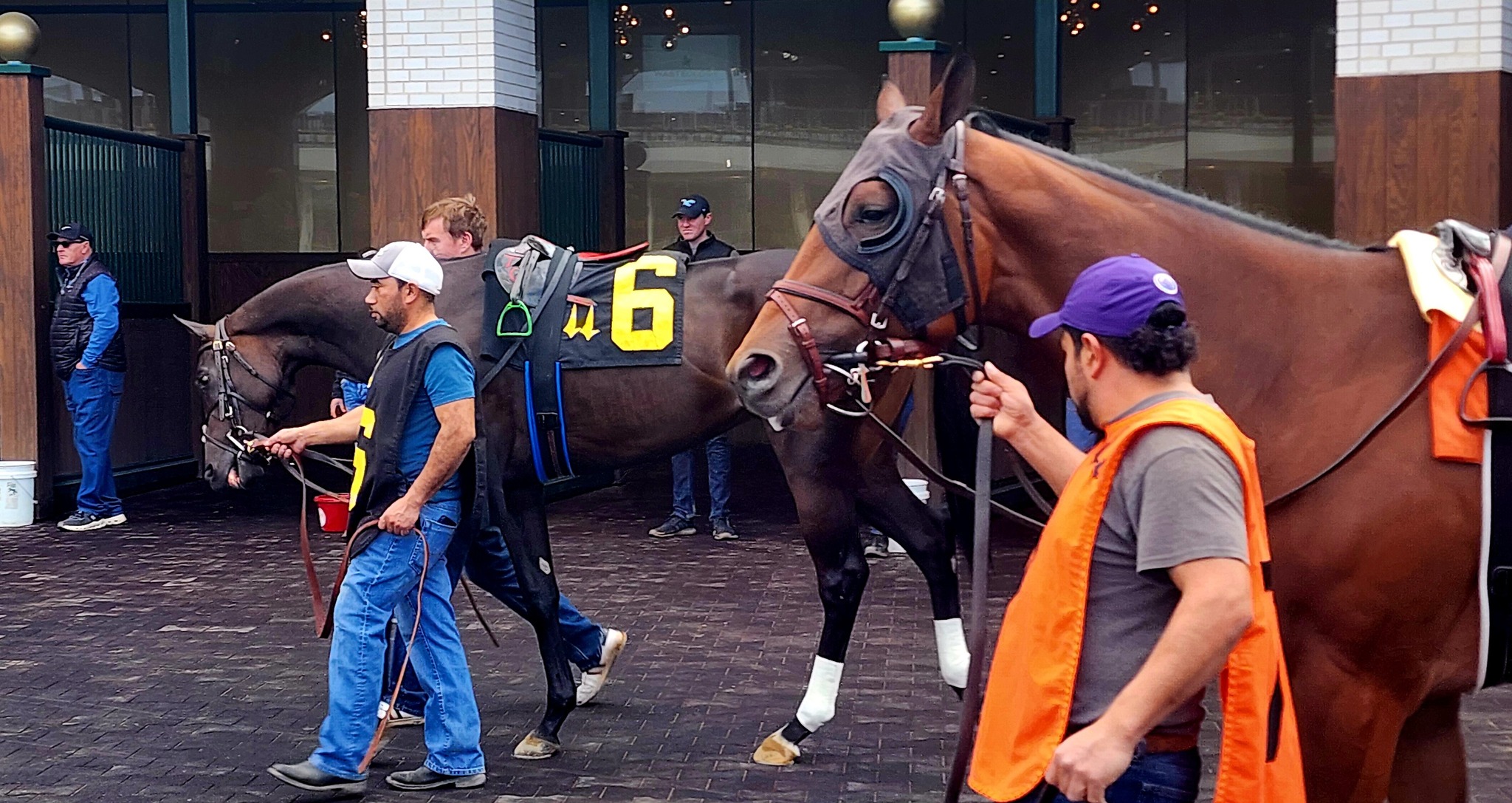
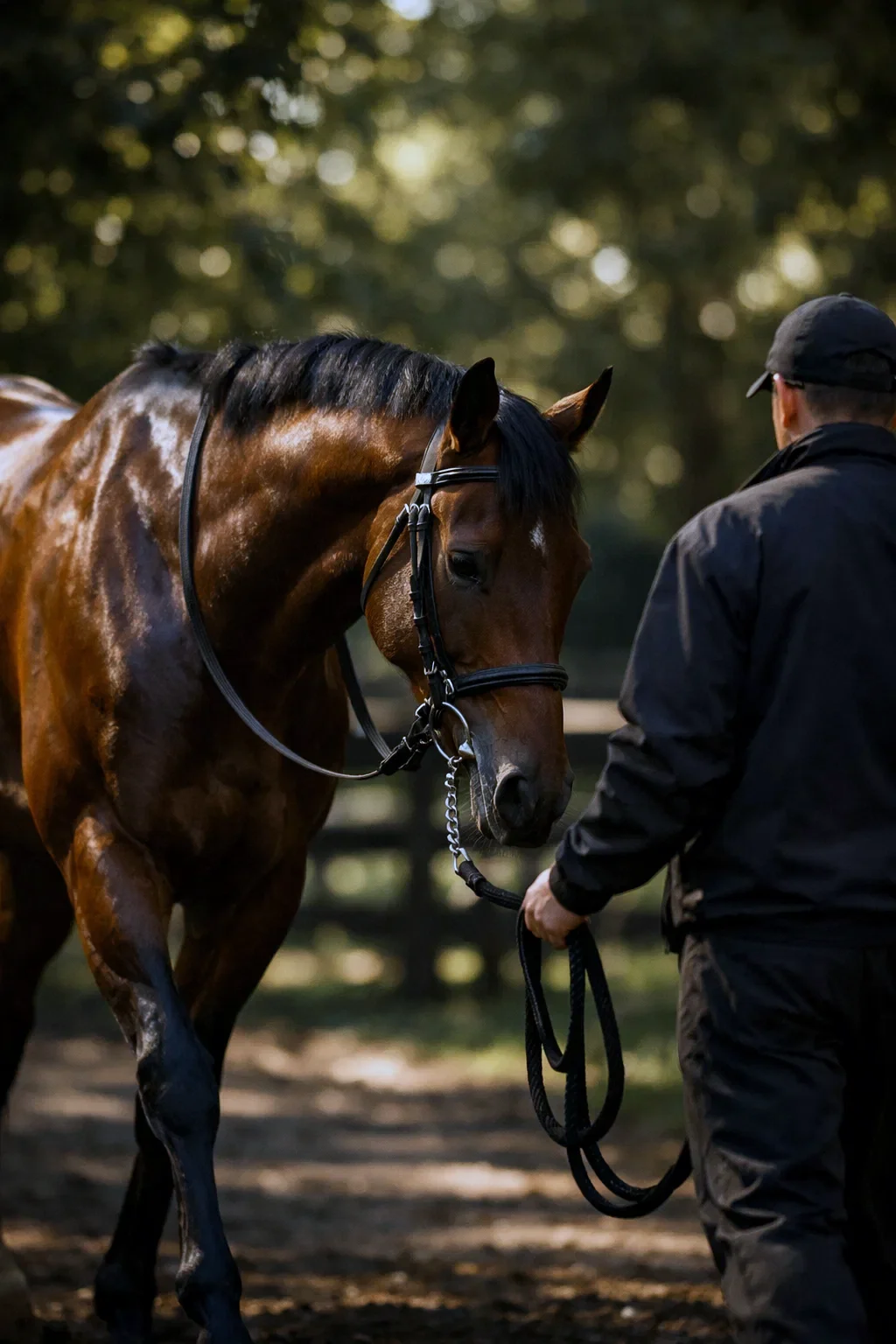
Thoroughbred horse being walked in paddock
II
Development With Discipline

Raising

Raising is where a lot of models get quietly expensive. Layups, downtime, growing pains — those costs don't show up in the highlight reel, but they're real.

For us, the farm is the foundation of that phase. Most of a horse's life in this model is spent either at our farm or at the track. That's intentional — our farm is where the broodmares live and where we raise the babies, so the pipeline isn't outsourced by default.

There is a smaller window in the middle — when a horse transitions from being a baby to entering a structured program — where a training center makes sense. We use a training center because it fits the way we want this to feel: close to the horse, close to the process, and aligned with the standard of care and communication that makes ownership meaningful.

The goal is always the same: reduce wasted overhead, avoid forced decisions, and give horses time to develop properly. Our model is designed to give breathing room.

III
Discipline Over Emotion

Selling

Our preference is still to keep what we raise and race what we build. That's why this exists, and it's what makes the program feel real.

But the sales ring is part of the lifecycle, and the market doesn't always price horses rationally. In a market where headlines keep getting written and records keep getting broken, there are moments when selling a foal or yearling becomes the disciplined move — not because we want to churn, but because the return can be so outsized that it strengthens everything downstream.

So selling is a release valve, not a strategy. We sell only when it's clearly the better financial decision for the program — when it converts one horse into more runway: more opportunities, more depth in the pipeline, and the ability to take bigger swings in future years.

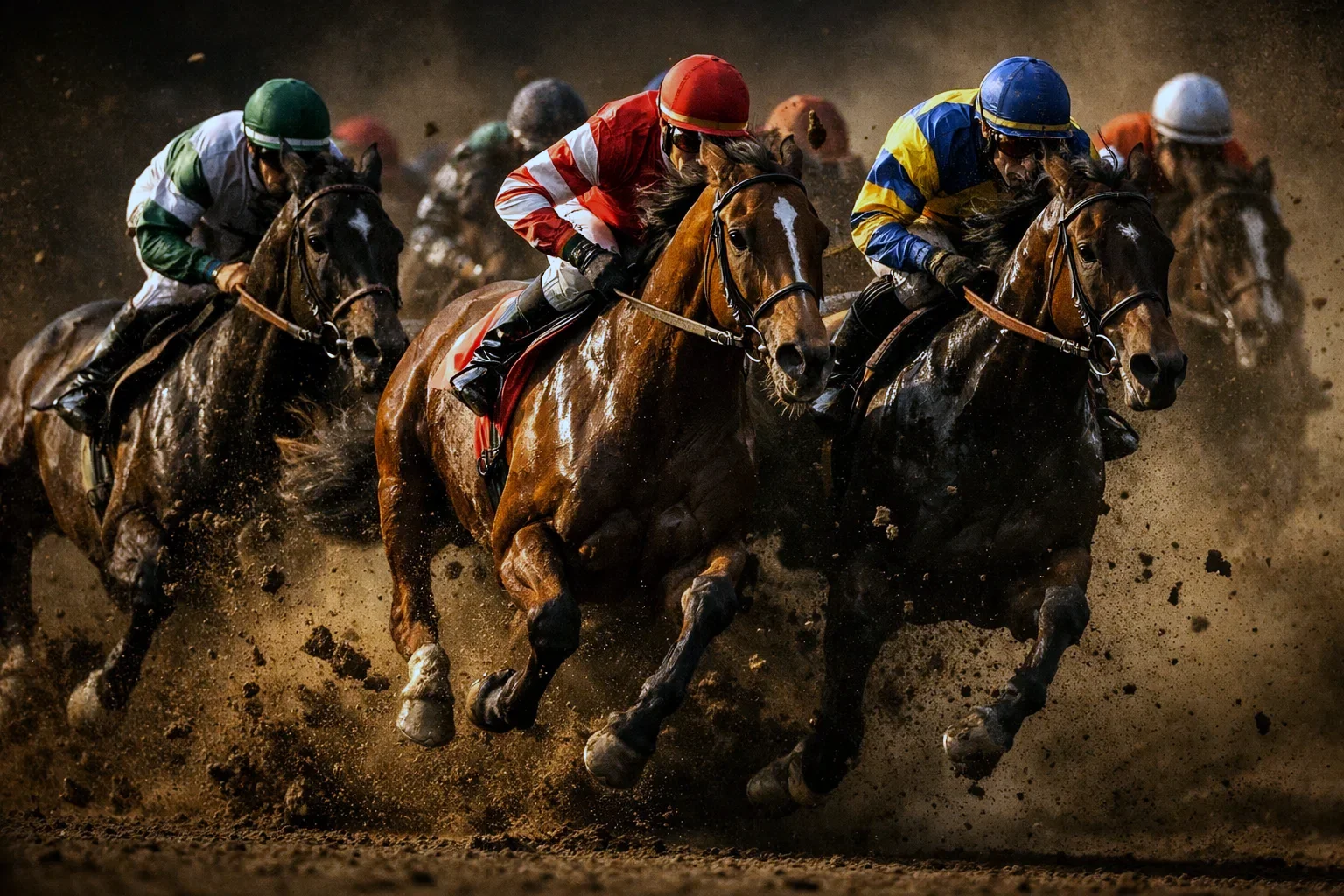
Thoroughbred racehorses in competition
IV
Kentucky, Turf, and Longevity

Racing

Racing is identity for us. We focus primarily on Kentucky because we want to see our horses run in person — ownership loses meaning when it becomes distant.

We also want long, full careers when possible. We're not going to rush a horse to meet a timeline or chase a headline. Soundness matters. Career length matters. That means patience, picking our spots, and being willing to wait for the right opportunity instead of forcing one.

We like turf, and we especially like fillies and mares. Turf horses tend to take less wear and tear, and Kentucky Downs can create outsized upside when the fit is right. And fillies and mares align with the lifecycle because they keep a second lane open if racing doesn't go the way you hoped.

And one principle stays firm: we will never drop a horse we bred just to get rid of it. If a horse needs time, a reset, or a new chapter, that's what the farm is for — because this program is built to carry horses responsibly, not discard them.

V
Action and Advantage

Claiming

Claiming, done the right way, can be incredibly rewarding — both in action and in returns. It's a lane with real upside.

It's not our primary focus, but it is something we use strategically inside the broader program — especially to keep consistent action in the calendar when the farm-to-track pipeline is between cycles.

Where it gets most interesting is the mix of value and risk mitigation. Horses — especially fillies and mares with real pedigrees — can get dropped aggressively simply because an owner wants to move on. That can create a window to acquire strong bloodlines for racing at a reduced cost.

And with fillies and mares, the lifecycle provides a built-in backstop: if the horse doesn't pan out the way you hoped on the track after the claim, the downside isn't always a dead end — because she can still become a valuable broodmare and produce future opportunities through the program.

Kentucky horse barn at sunset
VI
Stewardship Beyond the Finish Line

Retiring

Retirement isn't an afterthought for us. When possible, we made the decision that our retired horses would come home.

If we're going to call this ownership, it can't end at the wire. Di said it simply: if we're part of this, we're responsible for what we build. That includes horses that get hurt, horses that lose a step, and horses that finish their racing or breeding careers.

Not every horse will stay with us. Some will be sold. Some will be claimed. That's part of the business. But the horses that remain in our system fall under our responsibility. That's part of building something real.

Built to Endure

Not one horse. Not one season. Whole-stable ownership built for year-round action.

Built like an operation, not a one-horse bet.

Breedingcreates pipeline
Raisingprotects runway
Sellingreinforces capital
Racingbuilds identity
Claimingexploits inefficiency
Retiringreinforces stewardship

Bad trips happen. Quiet months don’t have to.

We sell to strengthen the foundation. We race when the placement is right. We breed to compound long-term value. We claim when the market misprices talent. And when the time comes, we steward the next chapter.

"The structure has to reward patience, stewardship, and aligned decisions. That’s how you stop chasing moments and start stacking wins."
Get In Touch

Interested in the Program?

Have questions about our ownership model or want to learn more about joining Don't Blame Me Racing? We'd love to hear from you.